September, the phone that answers itself
A business line answered by the same system that builds the sites, and the first cold emails to leave the building.
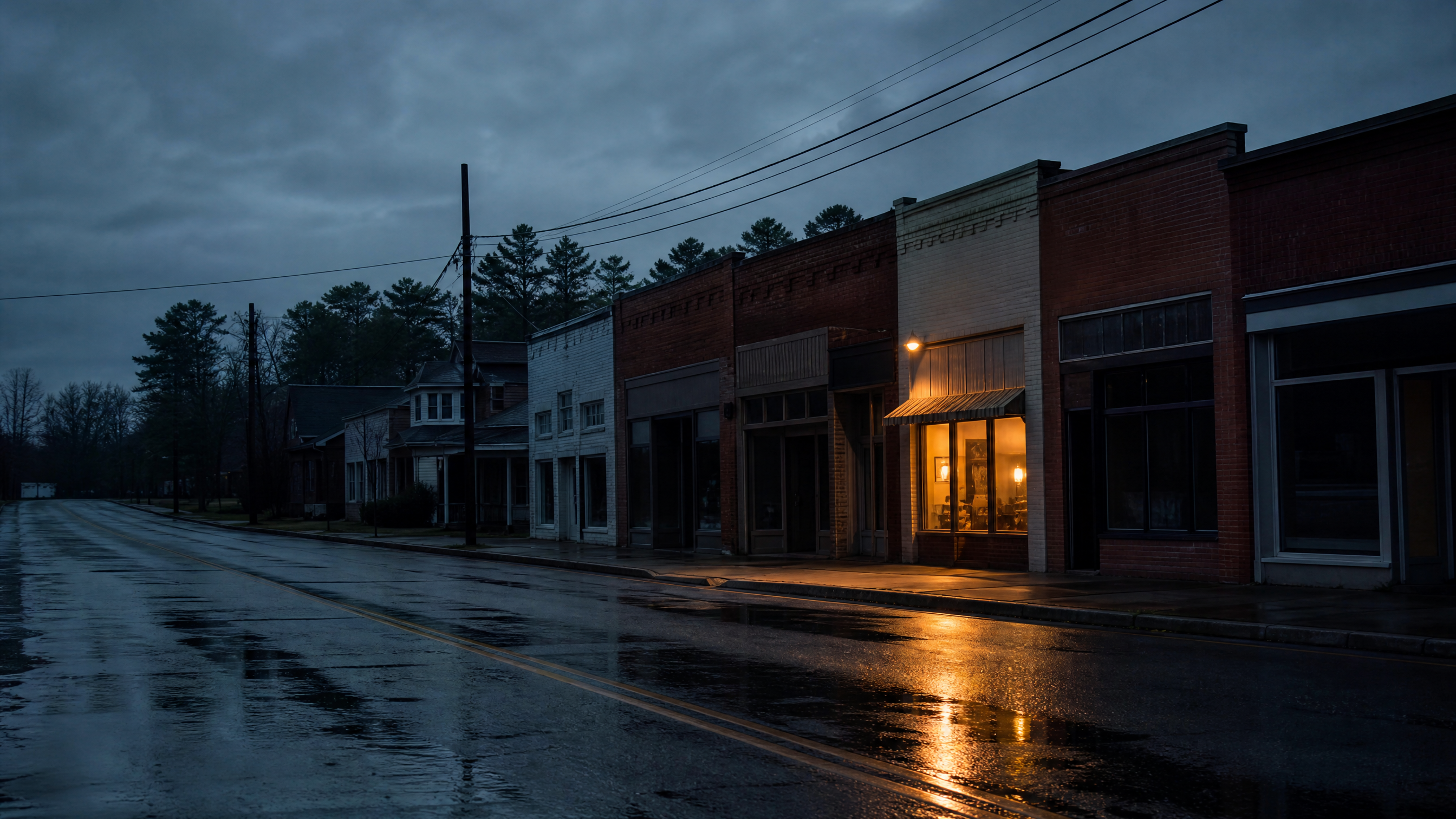
Two weeks into September the company has a phone number, four social accounts, a cold-email pipeline, and a receptionist who has never had a bad day. Here's how each of those happened.
The number
We finally have a business line. It rings to the same system that reads leads and drafts proposals. The voice that answers already knows the company's clients, its open projects, its calendar, and its rules.
Call it and you'll hear an AI say so in the first sentence. If you're a client, it recognizes your number and can take a request for your site. If you're new, it asks the same five questions the website form asks. A proposal starts drafting before you've hung up. If it can't help, it says so. Then I call you back.
I called it myself the first day to make sure it would admit what it doesn't know. It did. Then I called back and tried to argue with it about its own name. It argued back three times. That isn't the behavior you want from a receptionist. Fixed the same afternoon. It answers to anything now.
The roofer's own domain
The roofer from August went live on his own domain on September 5, with his real photos and a working estimate form. Getting that form to work end to end had taken four separate fixes back in August, none visible from the outside. An empty database. A permission that was never granted. A form handler the build tool had quietly stripped out. A third-party notification service that reports success whether or not it delivers.
That last one is worth a sentence on its own. The service every tutorial tells you to use for form emails will return "success" when it has sent nothing. We replaced it with our own mailer on every site we host. If your contact form runs through a free relay, test it from a phone this week.
Twenty-eight pictures and three short films
Marketing started the same week, and it started with a rule. Every image and every film we put out is generated, and every one says so.
The image bank came first: twenty-eight photographs of workbenches, storefronts, trucks, and kitchen tables at golden hour. All rendered without a single letter in them, because image models garble text. Then the headline gets set in our own type, by our own typesetter, on top. The result reads as a designed thing rather than a generated one. The disclosure is in every caption.
Then the films. Thirty-second and sixty-second spots about a business owner who does everything right, the LLC, the truck wrap, the yard signs, and then hits step fifty-one of building a website. The joke is on the process, never on the owner. Every face in them was reviewed by a person before it went anywhere near a feed.
We looked hard at whether disclosing AI would hurt. The data says the opposite: people don't mind AI, they mind being lied to about it. So we don't.
Cold email, with a neighbor's voice
On September 6 the prospecting pipeline ran for the first time. It searches a trade and a town and grades every business's website from what the site actually serves. Then it ranks the ones most worth a conversation: strong reviews with a weak or missing web presence, often near the top of Google with nothing behind the listing.
Three emails went out the first night. Each was written as what I am, a neighbor in Gastonia with a web business. Each pointed at one specific thing the recipient's listing is losing. Nothing sends without a person approving it. Nothing sends twice to the same business, ever. The pipeline also learned a lesson the first day: a listed website is not always theirs, and a category search sometimes returns a business with no site, no phone, and no address at all. Those get looked up before anyone gets an email.
The outage, and what moved
A power outage took the desk machine down for a working day. Leads queued safely and nothing was lost, but nothing was answered either. Within forty-eight hours the relay that watches for leads ran on a cloud server, with the desk as standby and an alert if either goes quiet. That story gets its own note next week. The short version is that somebody has to own the failure, and that somebody was me.
A website that runs the place
One of the first organizations we built for asked what else a website could do for them. So we built their director an admin dashboard: a member list, a weekly schedule, a giving summary, and a printable program that comes out looking exactly like the one they've folded by hand for years. Same layout, same fold. It took one long evening. They can run the whole thing from a phone.
That's the Autonomous Edge tier in miniature, and it's the thing no site builder will ever sell you: software that does a job in your business, with a person on the hook for it.
What I learned
September is when the machines started talking to strangers. A phone line, a cold email, a public feed, a newsletter. Every one of those channels has a gate with a person behind it. The gates are the product. The speed is just what lets one person stand behind all of them.